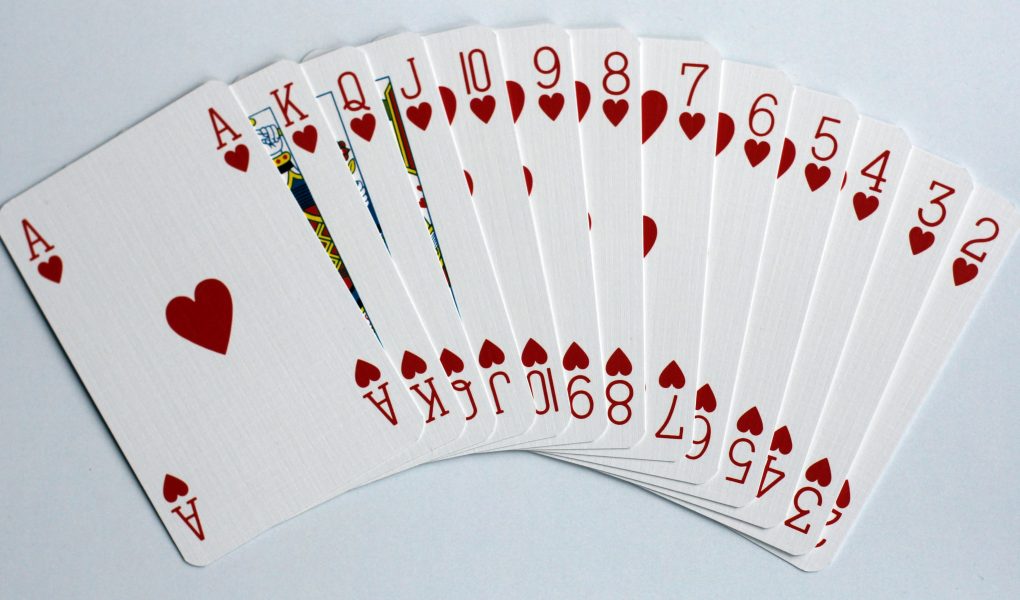
sman1welahan.id – Whist is one of the classic trick-taking card games that shaped many modern favorites, including Bridge and Spades. At first glance, Whist feels elegant and simple. No bidding. No complex scoring tables. Just cards, partners, and tricks. Yet beneath that simplicity lies a game that rewards memory, timing, and quiet teamwork.
This guide explains How to Play Whist from the ground up, offering simple insights for new players while introducing the core skills needed to play Whist confidently and effectively.
Understanding the Goal of Whist
What Is the Objective?
Whist is played by four players in two partnerships, sitting opposite each other. The goal is straightforward:
-
Win as many tricks as possible
-
Coordinate silently with your partner
-
Outscore the opposing team
Each trick won beyond six scores points for your partnership.
Whist is not about flashy moves. It’s about steady control and awareness.
How to Play Whist: Basic Rules Explained
Setup and Deal
Whist uses:
-
A standard 52-card deck
-
Four players
-
No jokers
Each player receives 13 cards. The last card dealt determines the trump suit for the round.
Trick-Taking Rules
Gameplay follows a simple structure:
-
The player to the dealer’s left leads the first card
-
Other players must follow suit if possible
-
If you can’t follow suit, you may play any card
-
The highest card of the led suit—or the highest trump—wins the trick
The winner of each trick leads the next one.
The Role of Trump in Whist
Why Trump Matters
Trump cards beat all non-trump cards, regardless of rank.
Strategic implications:
-
Save high trumps for critical tricks
-
Force opponents to waste trumps early
-
Protect your partner when possible
Knowing when not to use trump is just as important as using it well.
Beginner Strategies to Master Whist
Lead with Purpose
Opening leads shape the entire round.
Good opening leads include:
-
High cards to test opponents
-
Long suits to build control
-
Avoiding trump unless necessary
Leading blindly gives opponents easy information.
Support Your Partner Quietly
Communication in Whist is implicit, not spoken.
You support your partner by:
-
Playing cards that protect their lead
-
Avoiding stealing tricks they’ve clearly won
-
Discarding in ways that signal suit shortages
Strong partnerships feel coordinated without words.
Memory and Observation: Core Whist Skills
Track Played Cards
You don’t need perfect recall—but awareness helps.
Focus on:
-
Which trumps are gone
-
Which suits opponents are void in
-
Remaining high cards
This knowledge turns guesswork into calculated play.
Watch How Opponents Discard
Discarding reveals information.
Clues include:
-
Repeated discards from the same suit
-
Hesitation before playing
-
Sudden use of trump
These signals guide your future leads.
Managing Your Hand Effectively
Balance High and Low Cards
High cards win tricks. Low cards manage risk.
Smart balance:
-
Use high cards early to gain control
-
Save low cards for safe discards
-
Avoid getting stuck with unplayable hands late
Whist rewards foresight more than aggression.
Don’t Rush to Win Every Trick
Winning too many early tricks can backfire.
Why restraint matters:
-
You reveal strength too soon
-
Opponents adapt their play
-
Your partner may lose opportunities
Sometimes letting a trick go is the stronger move.
Common Beginner Mistakes in Whist
Ignoring Trump Timing
New players often:
-
Waste trump cards early
-
Trump unnecessarily
-
Forget trump control entirely
Trump is a resource. Spend it wisely.
Playing for Yourself Instead of the Team
Whist is not an individual game.
Mistakes include:
-
Stealing partner’s winning tricks
-
Leading suits your partner can’t support
-
Ignoring partnership balance
Winning comes from shared success, not solo dominance.
Why Whist Is Perfect for New Card Players
Whist teaches:
-
Trick-taking fundamentals
-
Team awareness
-
Card tracking
-
Strategic restraint
That’s why it fits perfectly into Understanding Card Games: Simple Insights for New Players—simple rules with lasting strategic value.
Mastering Whist doesn’t require complexity. It requires attention, patience, and respect for partnership play. Learn the rules clearly, observe quietly, support your partner, and think one trick ahead.
Whist rewards calm minds and steady hands.
Once you grasp its rhythm, every round feels intentional—and every trick matters.